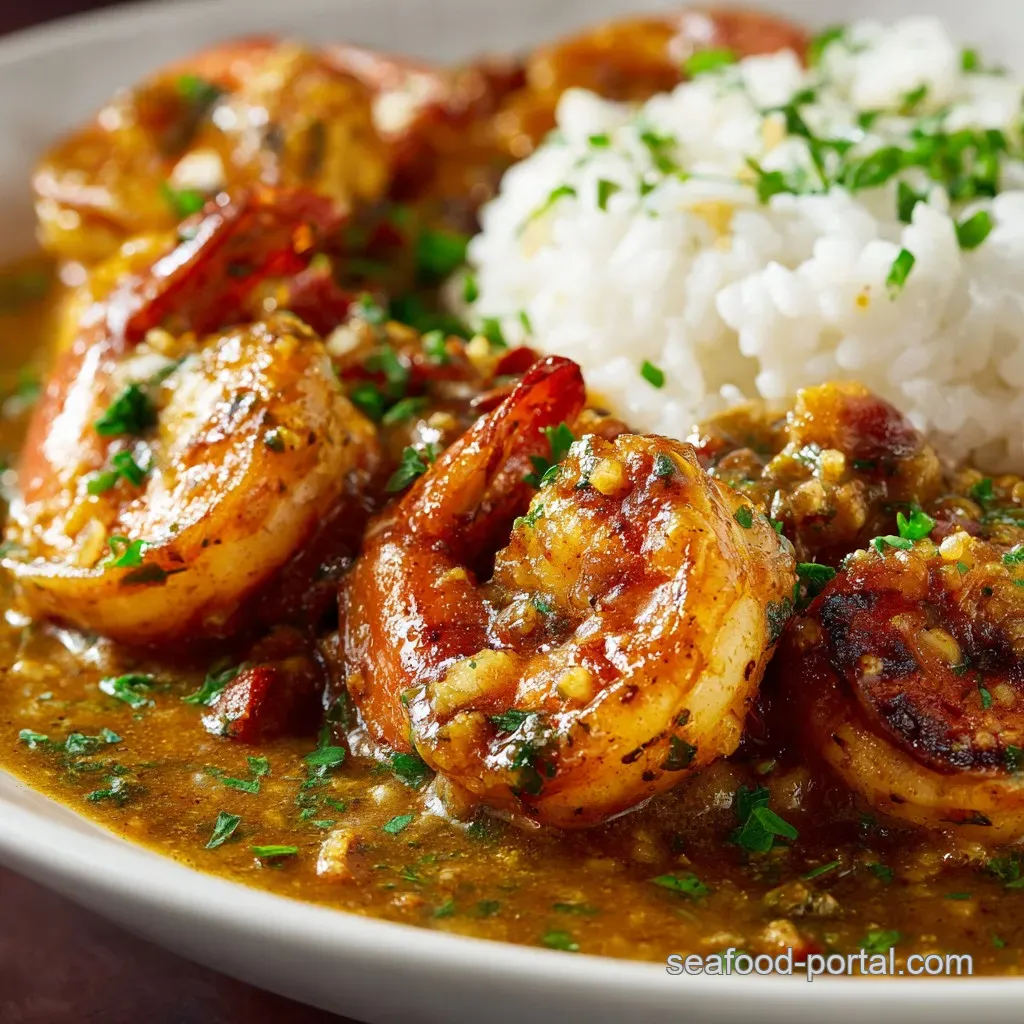
Imagine a dish so deeply flavorful, so soul-satisfying, it transports you straight to the bustling streets and cozy kitchens of Louisiana. This isn't just any stew; it's authentic Cajun shrimp etouffee, a culinary masterpiece where tender shrimp bathe in a rich, silky gravy, served over steaming white rice. While many regional dishes boast complex preparations, the secret to a truly unforgettable shrimp etouffee lies not in complication, but in patience, intention, and a particular golden hue: the blonde roux. This article will unveil the magic behind this essential element, guiding you through the creation of a traditional Cajun delight that’s both approachable for a weeknight and impressive enough for a special gathering.
There's an undeniable allure to the aromas that fill a kitchen when a true Cajun dish comes to life. The sweet scent of butter and flour mingling to form a roux, followed by the fragrant trinity hitting the pot—it’s an unmistakable symphony that promises the taste of New Orleans in every bite. Our journey into authentic shrimp etouffee embraces time-honored techniques, focusing on simple, high-quality ingredients that, when brought together with care, yield a dish of profound depth and comfort.
Unveiling the Blonde Roux Secret: The Heart of Authentic Shrimp Étouffée
The foundation of an authentic Cajun shrimp etouffee is its roux, specifically a blonde roux. Unlike the darker, nuttier roux often found in gumbos, the blonde roux for etouffee is cooked just long enough to achieve a light, golden-brown color, similar to peanut butter. This seemingly subtle difference is absolutely critical, as it contributes to the etouffee's signature silky texture and inherent sweetness, rather than imparting a heavy, roasted flavor that would overshadow the delicate shrimp.
Creating a blonde roux requires attentiveness, not speed. You'll typically start with equal parts fat (butter is traditional for etouffee, though some use oil) and all-purpose flour. The key is to cook it over medium-low heat, stirring constantly and patiently, until it reaches that desired pale golden hue. This process typically takes about 5-7 minutes. Resist the urge to rush; a burnt roux means starting over. The reward for your patience is a smooth, velvety base that provides the perfect body for your sauce, allowing the flavors of the vegetables and seafood to shine through beautifully.
The Art of the Roux: Tips for Success
- Low and Slow: Always start with medium-low heat to prevent burning.
- Constant Stirring: Keep stirring with a whisk or wooden spoon to ensure even cooking and prevent sticking.
- Color Check: Aim for the color of peanut butter or a light caramel. If it gets much darker, it's heading towards gumbo territory.
- Temperature Control: Once your roux is ready, quickly add your cold vegetables (the "trinity") to help stop the cooking process and prevent further darkening.
The Symphony of Flavors: Building Your Cajun Masterpiece
With your blonde roux perfected, you're ready to layer in the vibrant flavors that define Cajun cuisine. Each component plays a vital role, contributing to the rich, balanced profile of your shrimp etouffee.
The Holy Trinity: Foundation of Flavor
No authentic Cajun dish is complete without the "Holy Trinity": diced onions, green bell pepper, and celery. This aromatic trio forms the backbone of the etouffee's savory depth. After your roux is ready, these vegetables are added to the pot and gently "sweated" down. Sweating, rather than aggressively sautéing, allows them to soften and release their natural sugars and aromas slowly, building a sweet, savory foundation without browning. This gentle cooking process ensures they melt into the sauce, enriching its flavor rather than standing out as distinct pieces.
The Spice Blend: A Signature Cajun Kick
Beyond the trinity, a carefully crafted spice blend is essential for that unmistakable Cajun warmth. While specific ratios vary, a classic blend often includes paprika, dried thyme, dried oregano, cayenne pepper (to taste), garlic powder, onion powder, and of course, salt and black pepper. Many Louisiana cooks prefer to create their own blend, allowing for personalized adjustments to heat and herbaceousness. The beauty of a homemade blend is the freshness of the spices, which translates directly into a more vibrant and aromatic dish. For more in-depth exploration of bringing authentic New Orleans flavor to your table, explore our guide on Authentic Shrimp Étouffée: New Orleans Flavor at Home.
The Star: Perfectly Tender Shrimp
The name of the dish itself signals the importance of the shrimp. To ensure your shrimp are succulent and never rubbery, they are added to the etouffee at the very last stage of cooking. Shrimp cook incredibly quickly, usually just 2-3 minutes, turning opaque and pink. Overcooking is the cardinal sin, as it transforms their tender texture into a chewy disappointment. Whether you opt for fresh, raw shrimp or high-quality frozen ones (which work beautifully here, just ensure they are thawed and patted dry), the timing of their addition is crucial for that perfect bite.
Beyond the Basics: Elevating Your Étouffée Experience
While the core ingredients are simple, a few additional elements and techniques contribute significantly to the complexity and authenticity of your shrimp etouffee.
No Tomato: The Cajun Distinction
A key characteristic of traditional Cajun shrimp etouffee is the absence of tomatoes. While Creole étouffée often incorporates tomatoes, Cajun versions deliberately omit them to allow the other flavors, particularly the roux and the trinity, to dominate. This creates a cleaner, more focused flavor profile that highlights the inherent sweetness of the shrimp and the richness of the blonde roux. This is a crucial detail for anyone aiming for true Cajun authenticity.
The Liquid Gold: Stock and Seasonings
After the roux and trinity are established, chicken stock forms the base of the sauce. A good quality stock, whether homemade or store-bought, is paramount for building depth. Avoid overly salty varieties if you're using store-bought, as you'll be adding your own carefully balanced spice blend. A dash of Worcestershire sauce adds umami and complexity, while a few drops of your favorite hot sauce provide a gentle background warmth and subtle tang without overwhelming the dish. These additions are about enhancing, not overpowering.
The "Smothered" Technique
The word "étouffée" itself comes from the French verb "étouffer," meaning "to smother." This refers to the cooking technique where ingredients are cooked slowly in a tightly covered pot with minimal liquid, allowing them to release and concentrate their flavors. While modern etouffee recipes often involve adding more liquid, the spirit of "smothering" remains in the gentle, deliberate cooking that allows the flavors to meld and deepen.
Weeknight Wonder, Special Occasion Splendor
One of the most remarkable qualities of authentic Cajun shrimp etouffee is its incredible versatility. It strikes a perfect balance: easy enough to prepare for a comforting weeknight meal, especially when utilizing convenient ingredients like frozen, pre-peeled shrimp, yet elegant and flavorful enough to grace the table at a special dinner party. The aroma alone is enough to make any occasion feel extraordinary.
The beauty of this dish also lies in its accessibility. Don't be intimidated by the idea of making a roux or a "fancy" Cajun meal. With a little practice and attention to detail, you can achieve restaurant-worthy results right in your own kitchen. If you're looking for an accessible introduction to this Louisiana classic, consider our insights on Easy Traditional Shrimp Étouffée: Louisiana Taste for Any Night.
Practical Tips for the Home Cook
- Mise en Place: Prepare all your ingredients (chop vegetables, measure spices) before you start cooking. This makes the process much smoother and prevents rushing.
- Leftovers: If you have any glorious leftovers, allow the etouffee to cool completely before transferring it to an airtight container. It will keep beautifully in the refrigerator for up to three days. Gently reheat on the stovetop or in the microwave, adding a splash of stock or water if needed to adjust consistency.
- Serving: Always serve shrimp etouffee over fluffy white rice. A sprinkle of fresh chopped green onions or parsley adds a bright finish and a touch of color.
The journey to mastering authentic Cajun shrimp etouffee is a rewarding one, steeped in tradition and bursting with flavor. By understanding the critical role of the blonde roux, embracing the trinity, and respecting the delicate nature of shrimp, you can recreate a taste of Louisiana in your own home. It’s a dish that celebrates simple ingredients, transformed through patience and intention into a soulful, silky, and utterly unforgettable culinary experience.
